Stories Furniture Template Social Media
In the competitive landscape of interior design and home decor, visual consistency is paramount. Brands must maintain a professional image across platforms to build trust and engagement. Stories Furniture Template Social Media addresses this need by offering a specialized set of digital assets designed specifically for furniture retailers, designers, and showrooms. This resource provides a structured approach to creating high-quality social media content without requiring advanced graphic design skills.
This evaluation explores the functionality, technical specifications, and practical applications of these templates. It aims to help users determine if this specific Adobe Illustrator-based solution aligns with their current workflow and branding requirements.
Understanding the Core Offering
The primary component of this package is a collection of fully editable files compatible with Adobe Illustrator. Unlike many modern design tools that rely on proprietary formats or cloud-based subscriptions, this template utilizes the industry-standard .eps (Encapsulated PostScript) format. This ensures broad compatibility and stability for professionals who prefer vector-based editing.
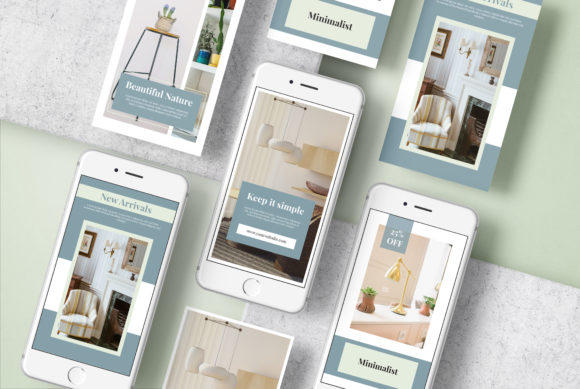
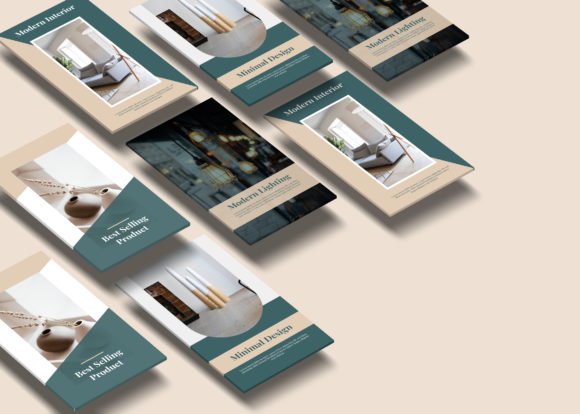
The package includes four distinct post templates tailored for social media stories. These designs are described as "clearly layered," which is a critical feature for non-designers. In vector software, layers allow users to isolate specific elements—such as text, background images, or decorative icons—and modify them independently. This organization prevents accidental changes to other parts of the design when updating content.
The aesthetic focus is on a "professional and creative design" that fits the furniture niche. The layouts likely accommodate large product photography, which is essential for showcasing textures, materials, and spatial arrangements in home decor. The inclusion of a free font usage policy further simplifies the process, removing potential licensing hurdles for commercial use.
Key Technical Features and Workflow
For users evaluating this tool, understanding the technical workflow is essential. The templates operate in RGB color mode, which is the standard for digital displays, ensuring that colors appear vibrant on mobile devices and computer screens. High resolution is another stated requirement, guaranteeing that graphics remain crisp even when viewed on high-density displays like Retina screens.
- Adobe Illustrator Compatibility: The files are optimized for Adobe Illustrator, allowing for precise manipulation of vector shapes and text.
- Easy Image Placement: The structure facilitates straightforward swapping of stock photos or client product shots. Users can replace placeholder images without disrupting the underlying layout.
- Free Font Usage: The templates utilize fonts that do not require additional licensing fees, reducing overhead costs for the user.
- Comprehensive Documentation: A .pdf help file is included. This documentation serves as a guide for navigating the layers and applying the customizations effectively.
Strategic Benefits for Furniture Businesses
Adopting a standardized template system offers several strategic advantages for furniture brands. The most immediate benefit is efficiency. Creating unique graphics from scratch for every social media story requires significant time and design expertise. By utilizing pre-designed structures, marketing teams can focus on content curation rather than layout mechanics.
Consistency is the second major advantage. When all stories share a cohesive visual language, the brand appears more established and trustworthy. For a furniture business, where aesthetics drive purchasing decisions, a polished look is not merely an option but a necessity. The "stylish and professional" nature of these templates helps elevate the perceived value of the products being showcased.
Furthermore, the customizable nature of the files allows for scalability. As a business grows and introduces new product lines, the same templates can be adapted to fit different themes, seasons, or promotional campaigns. This flexibility ensures that the initial investment in the template yields long-term value.
Evaluation of Tradeoffs and Considerations
While the benefits are clear, potential users must consider specific tradeoffs associated with this type of asset. The primary consideration is the software requirement. Because these are .eps files intended for Adobe Illustrator, they are not suitable for users who rely exclusively on drag-and-drop builders like Canva or simple photo editors. Users must have access to Adobe Illustrator and possess at least a basic understanding of how to work with layers and vector paths.
Another consideration is the static nature of the design. While the templates offer a strong foundation, they may lack the dynamic animations often found in newer, platform-specific story templates. If a brand's strategy relies heavily on motion graphics or interactive stickers, a static vector template might require additional effort to animate using external tools.
Additionally, while the templates are described as easy to customize, the learning curve varies by user. Those unfamiliar with vector software may find the layering system complex initially. However, the inclusion of the .pdf help file mitigates this risk by providing step-by-step instructions.
Situational Fit: Who Should Use This?
This template package is a strong fit for small to medium-sized furniture businesses, independent interior designers, and home decor influencers who already use Adobe Illustrator. It is particularly valuable for entities that prioritize print-quality standards for their digital assets or those who need full control over color profiles and typography.
It is also ideal for users who need a quick turnaround for seasonal sales or new collection launches. Instead of commissioning a designer for every post, a team member can quickly swap images and update text within hours. The ability to download images from resources like Pexels or Unsplash and integrate them seamlessly into the template makes it a cost-effective solution for maintaining a high volume of content.
Alternatives and Decision Factors
There are scenarios where alternatives may be worth considering. If a team lacks Adobe Illustrator entirely, purchasing a subscription to a cloud-based design platform might be a more practical choice. Platforms like Canva offer vast libraries of pre-made templates that are accessible via a web browser, eliminating the need for desktop software installation.
Similarly, if the goal is to create highly animated, interactive stories with polls and quizzes, a dedicated video editing suite or motion graphics software might be necessary. Static templates serve a specific purpose but cannot replicate the interactivity of native app features.
When making a decision, readers should assess their current skill set and software budget. If the team already uses Illustrator and values the precision of vector graphics, the Stories Furniture Template Social Media package represents a logical and efficient upgrade. Conversely, if the priority is speed of access and ease of use without technical training, a browser-based alternative might yield better results.
Final Assessment
The Stories Furniture Template Social Media product offers a robust solution for brands seeking to professionalize their visual presence in the furniture sector. Its reliance on Adobe Illustrator ensures high-quality output, while its organized layer structure supports efficient customization. By balancing professional design with user-friendly features, it bridges the gap between complex graphic design and accessible social media marketing.
Ultimately, the decision to adopt these templates depends on the specific technical capabilities of the user and their long-term content strategy. For those willing to leverage vector software, this tool provides a solid foundation for building a stylish and consistent brand identity.